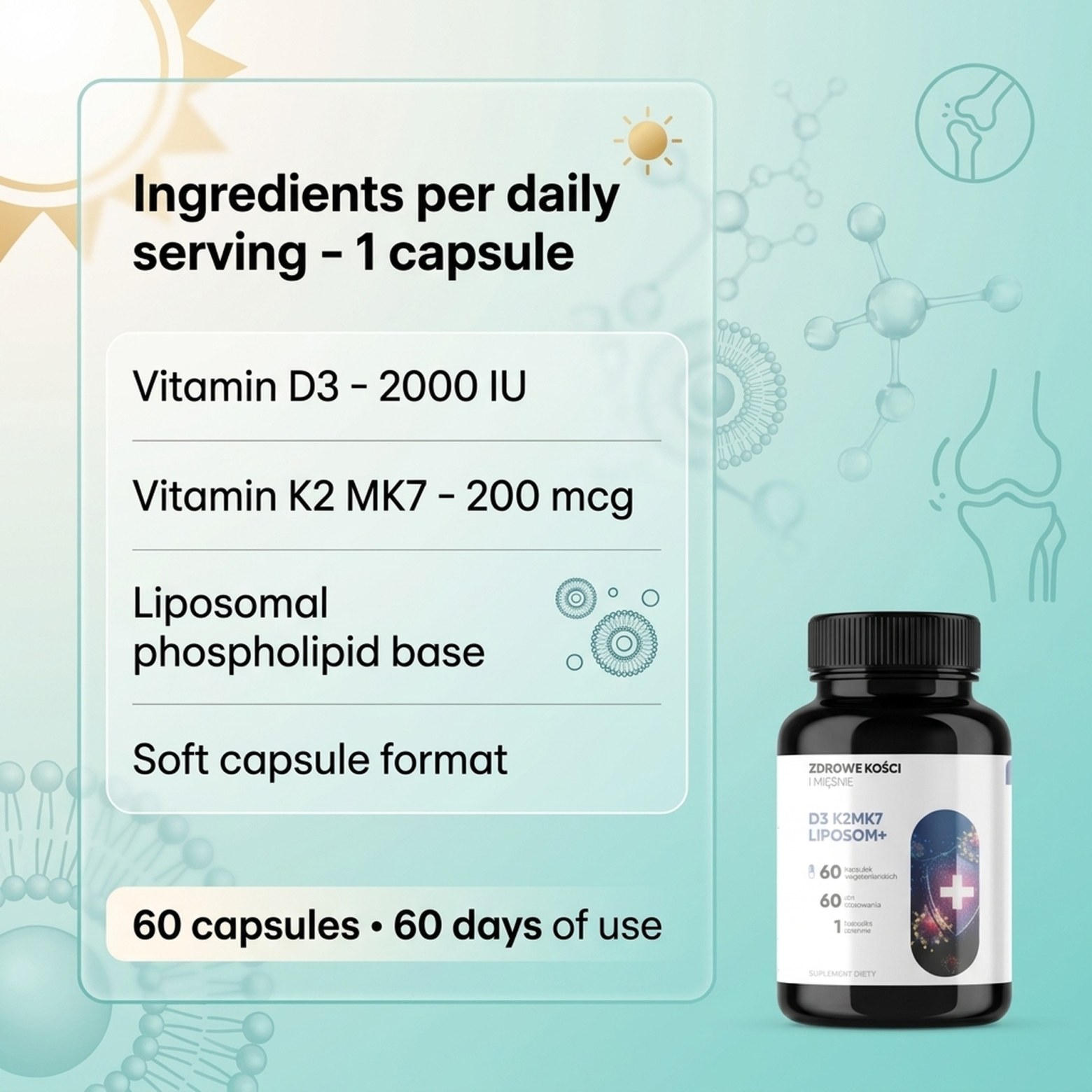
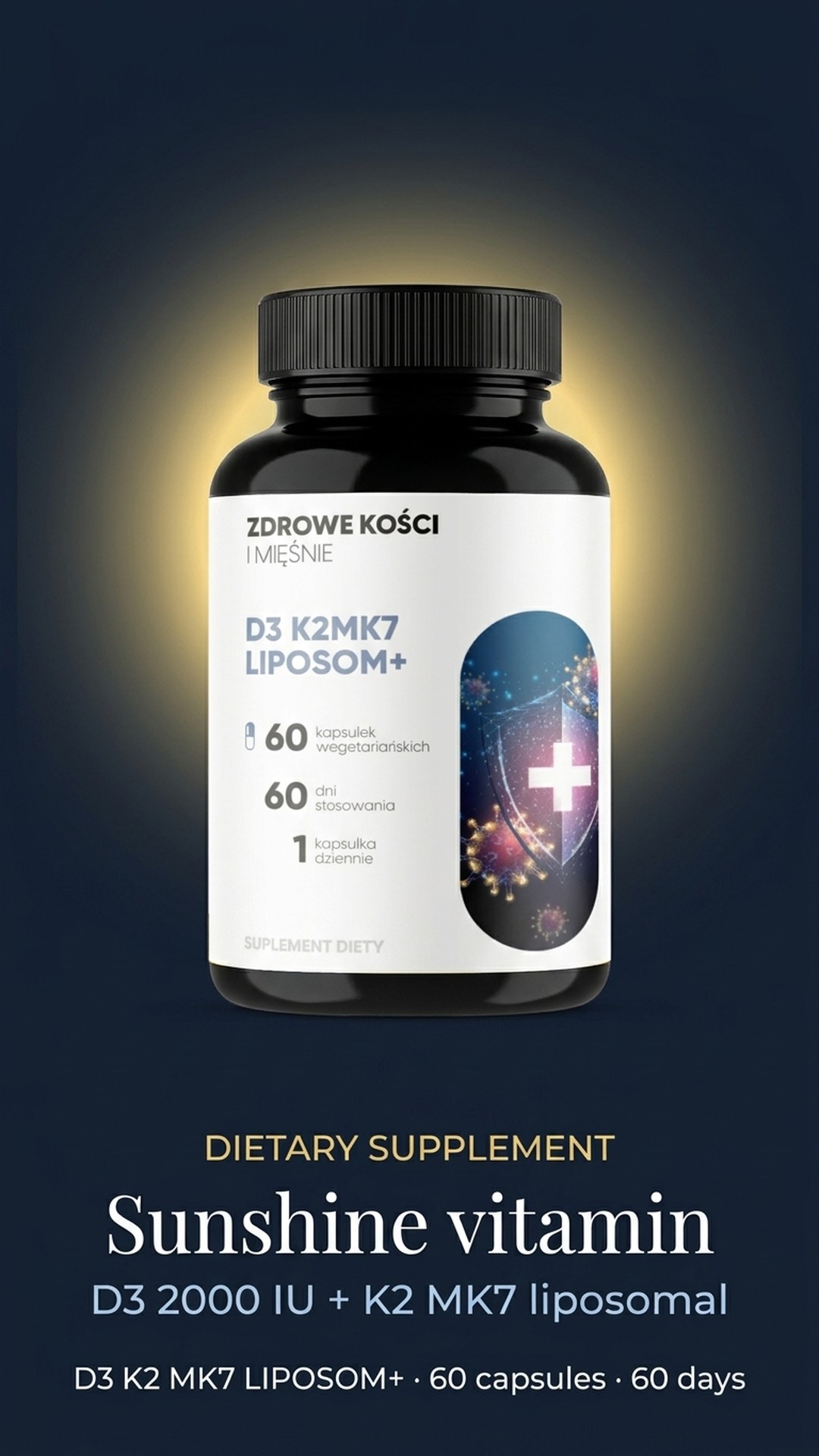
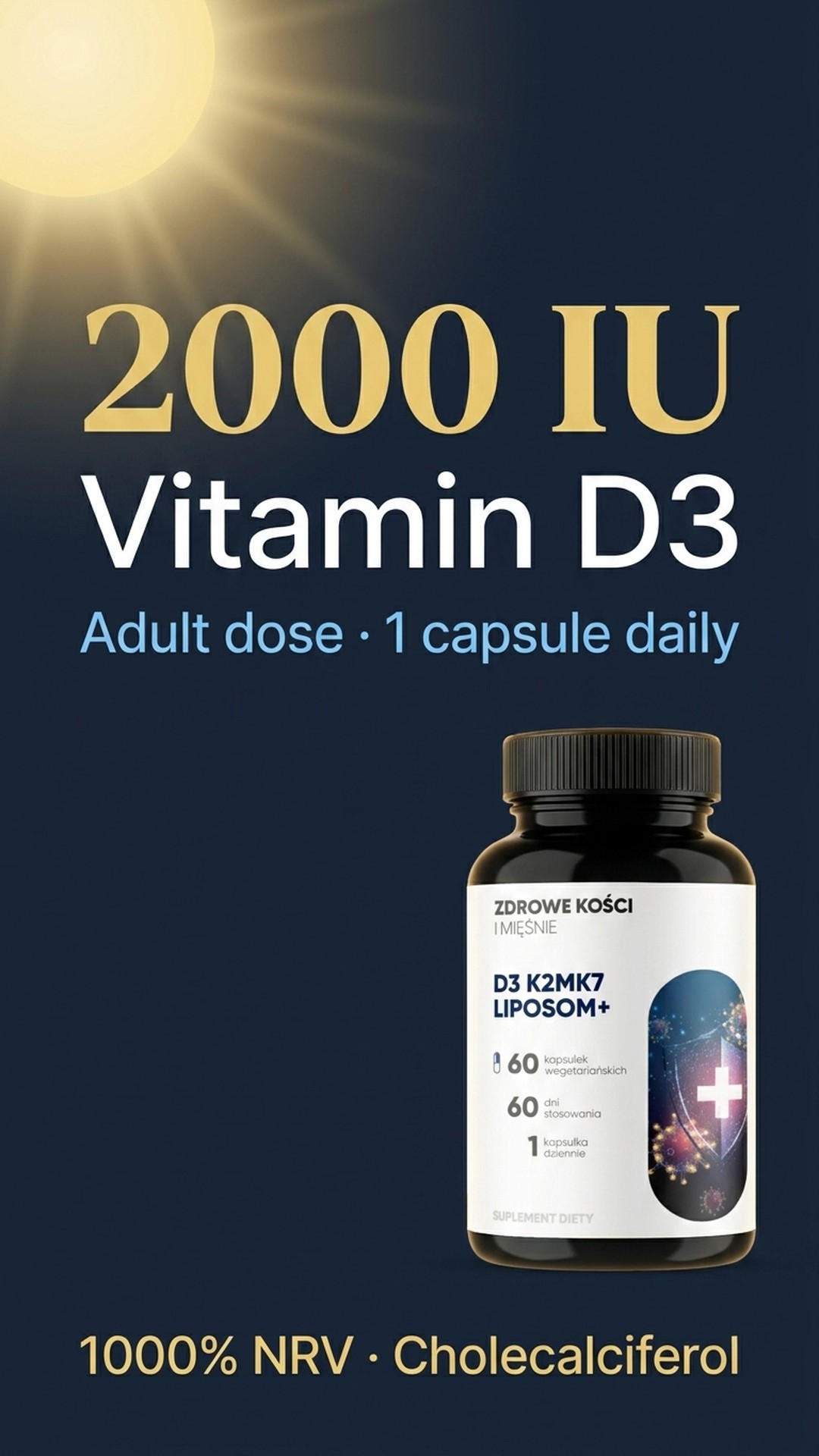
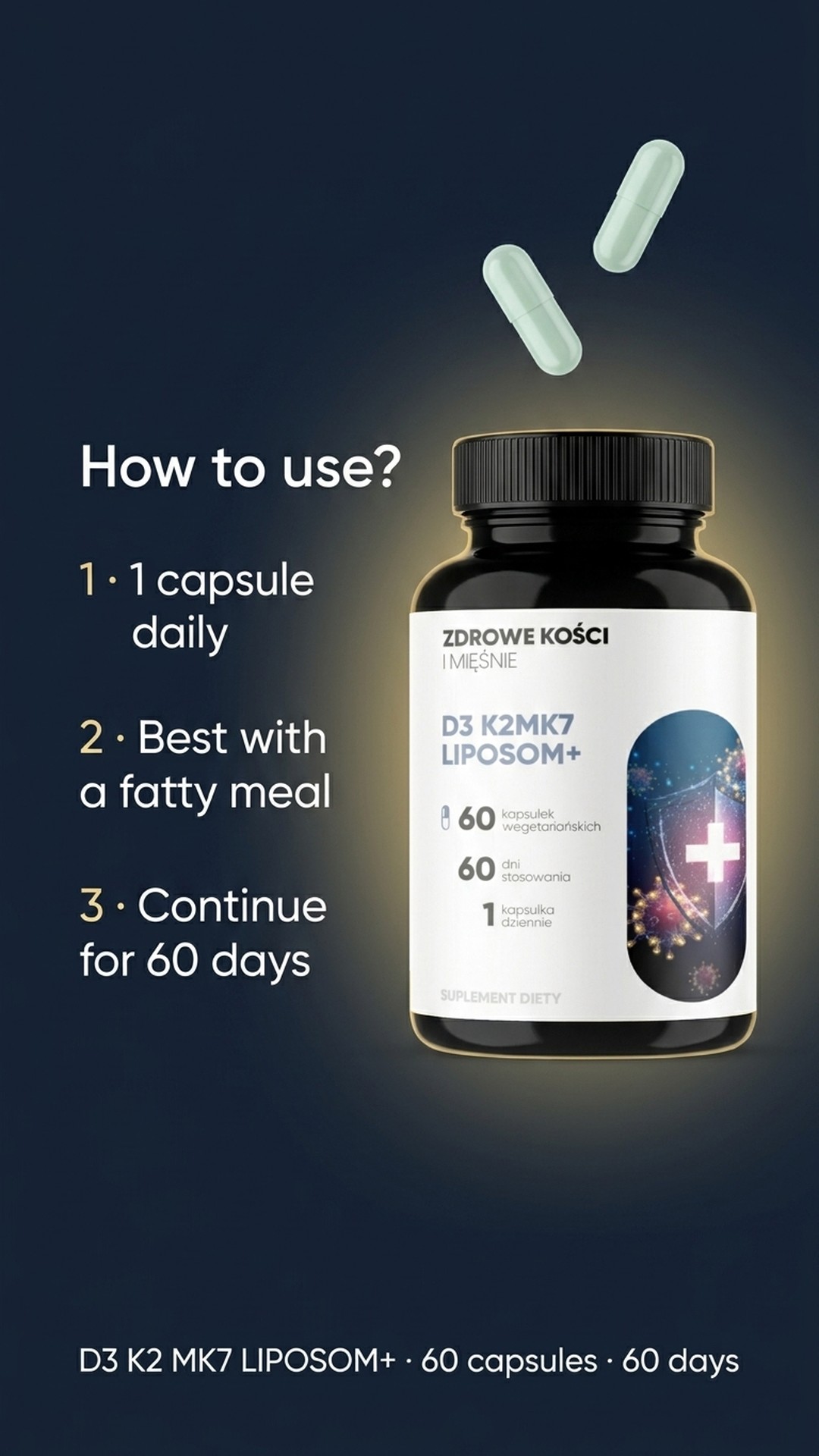
D3 K2 MK7 Liposomal+ is a formula designed for people who want to effectively replenish vitamin D and K deficiencies while being confident that the consumed ingredients are actually absorbed and utilized by the body. To understand why this supplement may be exceptional, it is worth first explaining several key aspects of these two vitamins.
Why should vitamins D3 and K2 be taken together?
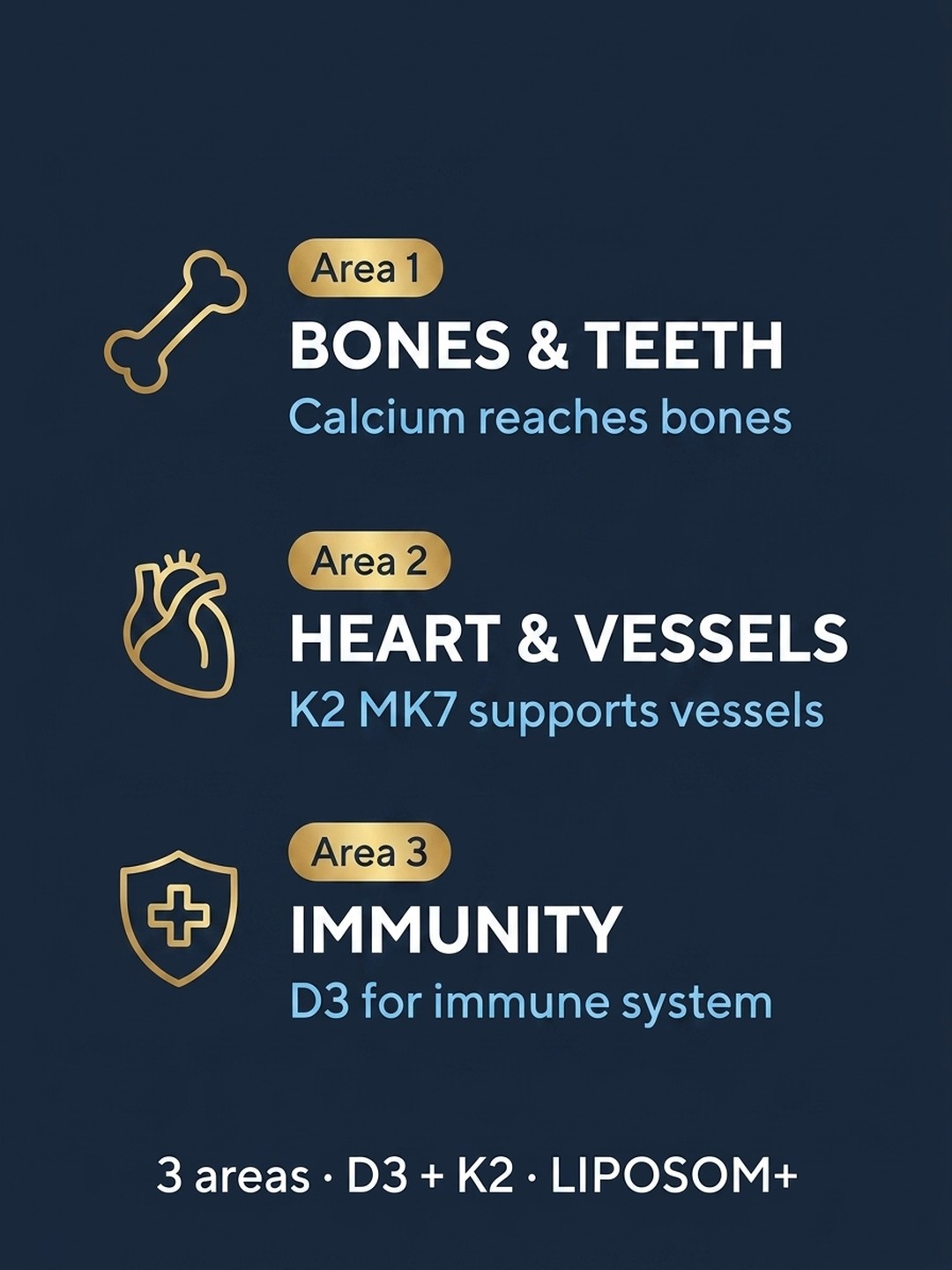
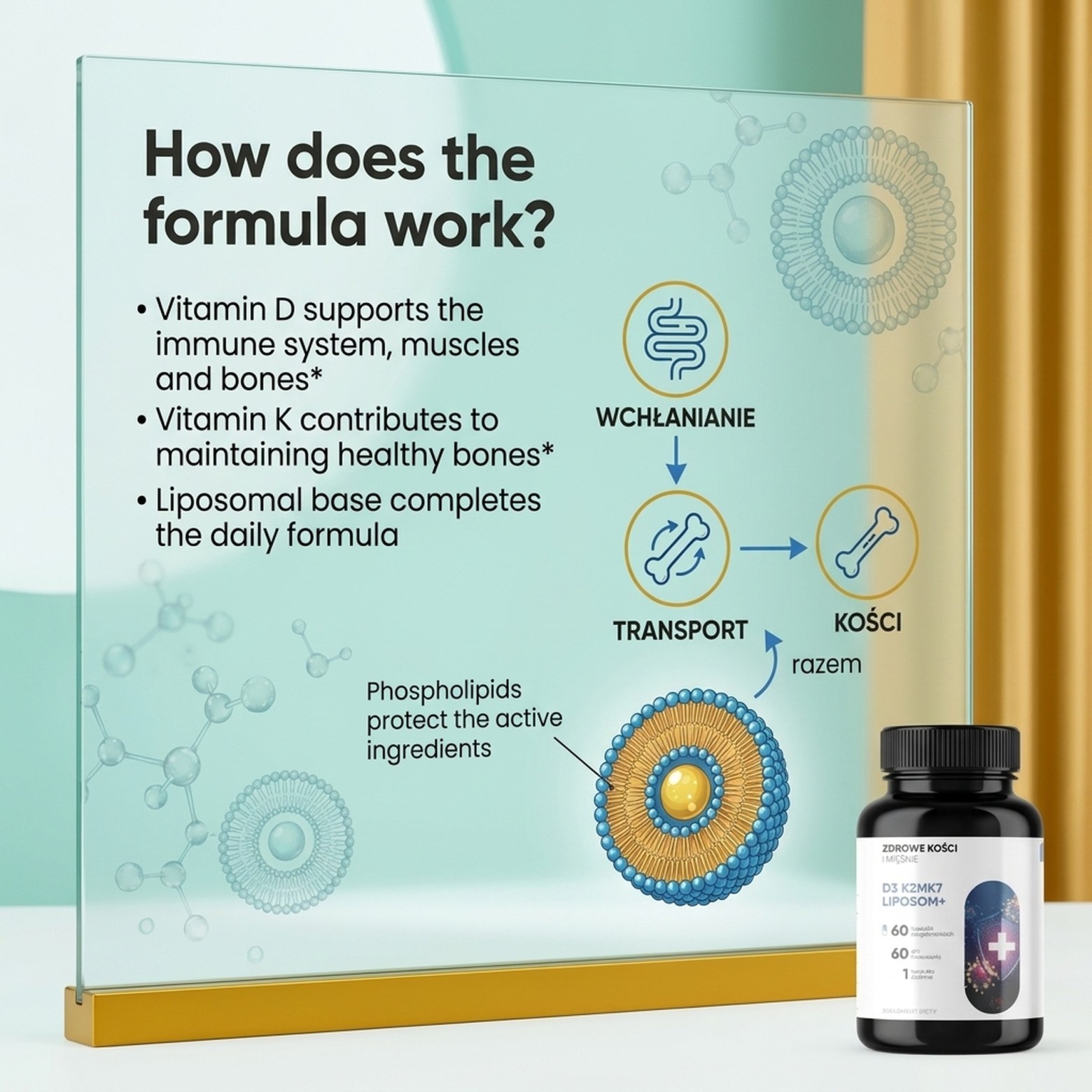
Imagine vitamin D3 as a warehouse worker who receives calcium deliveries from the intestines and introduces them into the bloodstream. That's great - we now have more calcium in the blood, which is essential for many bodily functions. But a problem arises: who decides where this calcium should go? Without the right "driver," calcium may accumulate in the wrong places - such as the walls of arteries - leading to calcification (atherosclerosis) instead of building strong bones.
This is where vitamin K2 comes in - it works like a smart GPS system that precisely directs calcium to where it is truly needed. It activates special proteins called osteocalcin (which builds bone) and MGP - Matrix Gla Protein (which protects arteries from calcium deposition). Without sufficient vitamin K2, these proteins remain inactive, and calcium can travel wherever it wants.
Scientific studies show that supplementing vitamin D3 alone, without vitamin K2, may lead to a paradoxical situation: bone density improves, but the risk of arterial calcification increases. That is why these two vitamins should always work together - they are a team, not solo performers.
Why MK7 and not another form of vitamin K2?
Vitamin K occurs naturally in two main forms: K1 (phylloquinone), found in green leafy vegetables and K2 (menaquinone), which has several subtypes labeled MK4, MK7, MK8, and MK9. Each form has slightly different properties.
MK7 (menaquinone-7) stands out due to its longest half-life in the body—it remains active in the bloodstream for about 72 hours, whereas MK4 works for only a few hours. This means that taking MK7 once daily provides continuous, stable support throughout the day, which is crucial for effective activation of vitamin K - dependent proteins.
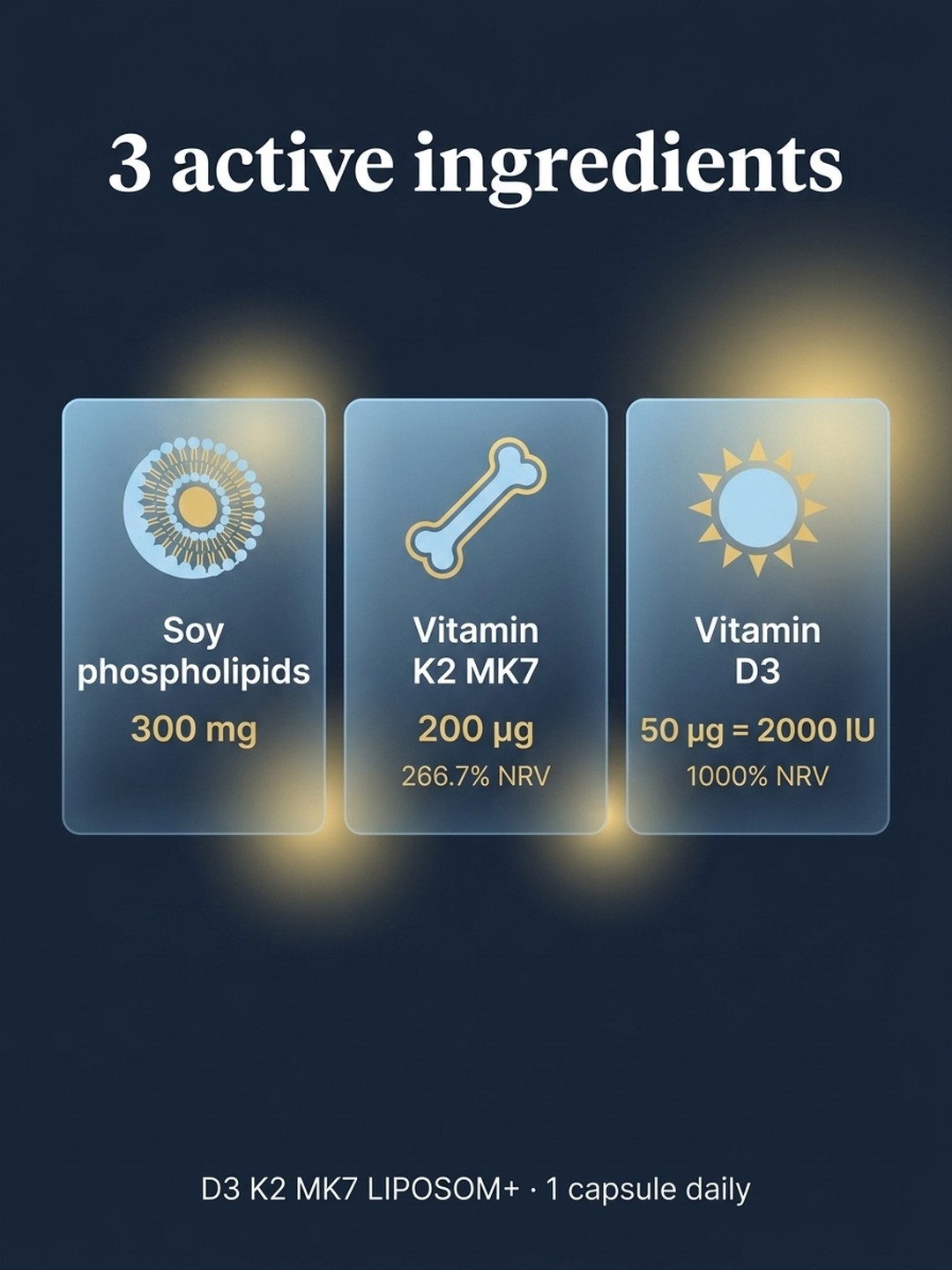
The MK7 in our supplement is derived from Bacillus subtilis natto, a fermentation bacterium traditionally used in Japan to produce natto (fermented soybeans). This natural source ensures high quality and bioavailability. The dose of 200 µg (266,7% NRV) is an optimal amount confirmed in clinical studies to effectively activate osteocalcin and MGP proteins.
Why as much as 2000 IU of vitamin D3 – is it safe?
A dose of 50 µg of vitamin D3 (equivalent to 2000 IU - International Units) may seem high, especially since it represents 1000% of the Nutrient Reference Value. Before you worry, let's clarify a few points.
First, the NRV is a minimum dose designed to prevent severe deficiency (rickets in children, osteomalacia in adults), not an optimal dose for full health. Modern research suggests that to maintain optimal blood levels of vitamin D (50–80 ng/ml), most people need 1000–2000 IU daily and even more in cases of severe deficiency.
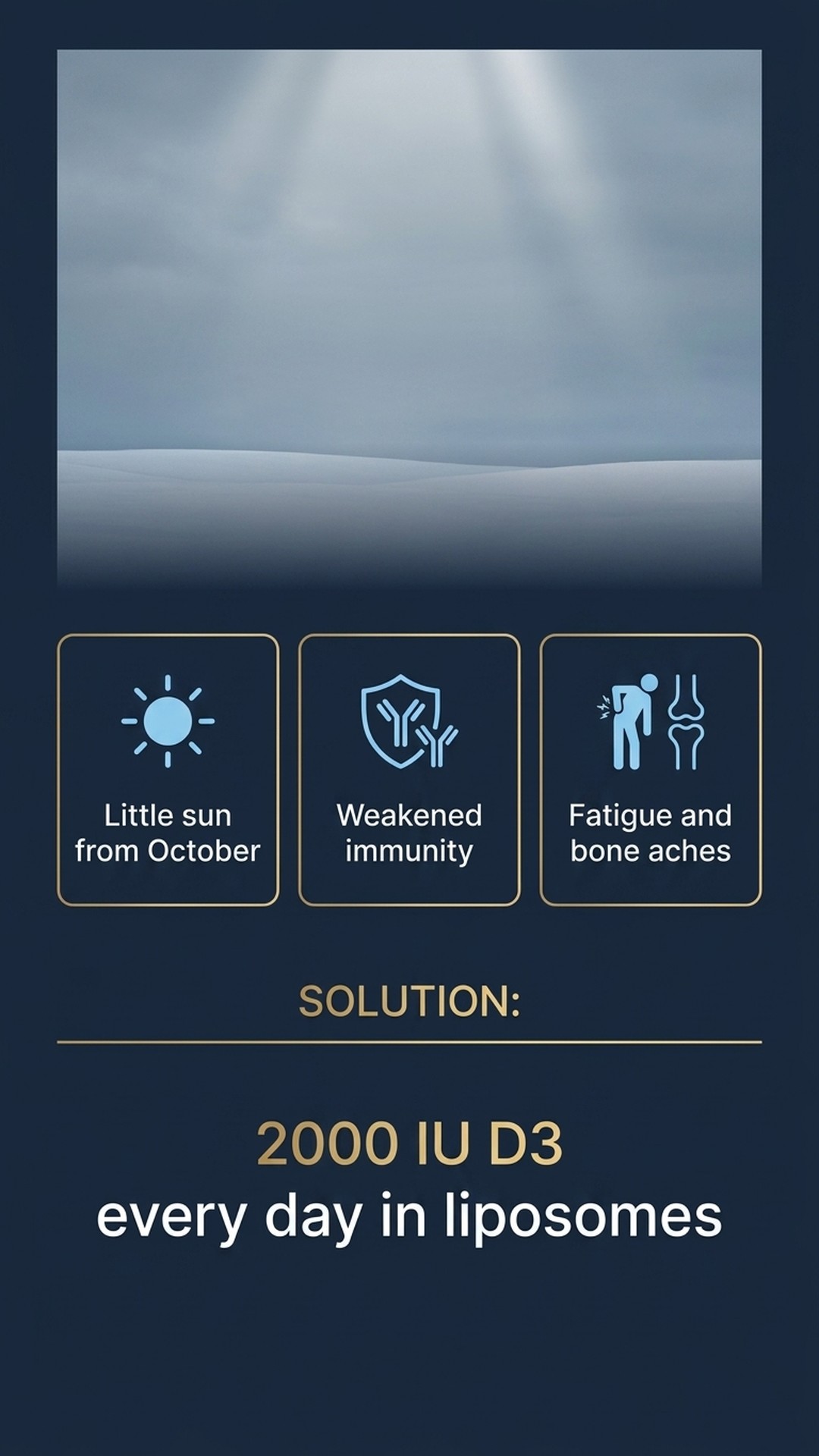
Second, vitamin D deficiency is a modern epidemic. It is estimated that around 70–90% of the population in Central Europe has insufficient vitamin D levels, especially from October to April, when skin synthesis is virtually impossible due to the low angle of sunlight. Even in summer, few people spend enough time in the sun (without UV-blocking sunscreen) to produce adequate amounts of vitamin D.
Third, the upper tolerable intake level for vitamin D3 is 4000 IU (100 µg) per day according to EFSA (European Food Safety Authority), and some medical sources indicate even 10,000 IU as a safe upper limit. Our 2000 IU dose is well within the safe range and optimal for most people with deficiencies.
Vitamin D toxicity (hypervitaminosis D) is extremely rare and occurs only with long-term intake of doses exceeding 10.000–40.000 IU daily for many months. At our dosage, the risk is virtually zero.
Liposomal technology – what does it actually mean?
Vitamins D3 and K2 are fat-soluble vitamins, which means that their proper absorption from the intestines requires dietary fats and a well-functioning digestive system (adequate bile production and pancreatic enzymes). In people with liver or pancreatic disorders, intestinal inflammation or after intestinal resection, absorption of fat-soluble vitamins may be significantly impaired.
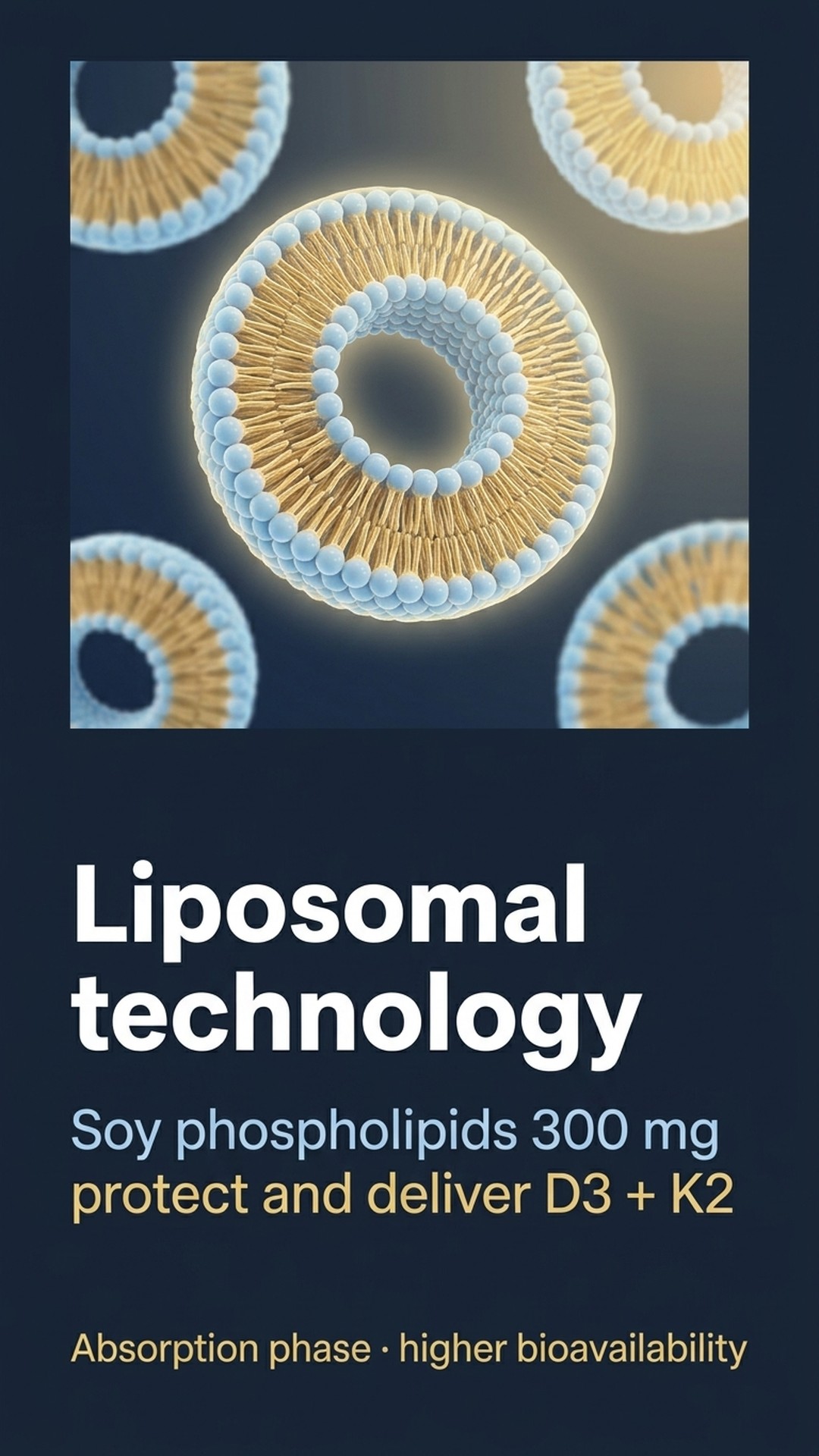
Soy phospholipids (300 mg per capsule) form liposomes - microscopic spherical structures made of a double layer of phospholipids, identical to natural cell membranes. Vitamins D3 and K2 are "encapsulated" inside these liposomes, which protects them from degradation in the stomach and enables direct absorption by enterocytes (intestinal lining cells) without the need for the standard fat digestion pathway.
Pharmacological studies show that the bioavailability of substances in liposomal form can be up to three times higher than in traditional forms. This means that taking 2000 IU of vitamin D3 in liposomal form may allow the body to utilize more of the dose than even higher amounts taken in standard oil-based or tablet forms.
Additionally, soy phospholipids themselves are a valuable ingredient. They contain phosphatidylcholine, phosphatidylethanolamine, and other phospholipids that are essential building blocks of cell membranes and support liver, brain, and nervous system health.
Who is this supplement for?
D3 K2 MK7 Liposomal+ is designed for people who want to effectively replenish vitamin D and K deficiencies while ensuring maximum utilization by the body. It is particularly beneficial for individuals with confirmed vitamin D deficiency (blood levels below 30 ng/ml), those living in low-sunlight climates, people working indoors, older adults (with reduced skin synthesis) and individuals with digestive issues affecting fat absorption.
However, before starting supplementation with higher doses of vitamin D, it is advisable to test blood vitamin D levels (25(OH)D3 test) and consult a healthcare professional, especially if you are taking medications or have chronic conditions.